The Counter-Drone Drill
D-FEND SOLUTIONS BLOG
Each month, we review and analyze selected representative examples of verified rogue drone activity drawn from the Drone Attack & Incident Tracker, spanning critical sectors worldwide. This ongoing series is designed to provide security leaders, counter-drone professionals, and operational decision-makers with a clear, factual view of how unauthorized drone activity is evolving across sectors such as military and special forces, stadiums and arenas, law enforcement and first responders, and airports and aviation. Beyond describing incidents, the goal is to highlight operational lessons that can shape more resilient counter-UAS programs.
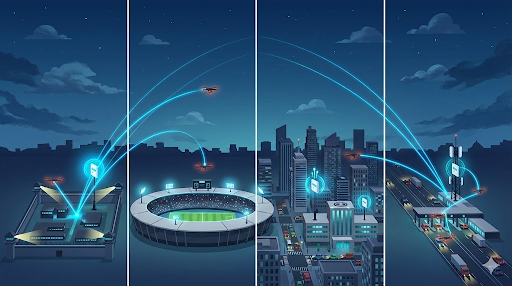
Military installations face a range of unmanned aerial risks, including surveillance of base layouts, interference with air operations, and potential payload delivery.
On January 28, 2026, a small drone of unknown origin entered restricted airspace and crashed inside the 2nd Radio-electronic Center in Przasnysz, approximately 90 kilometers north of Warsaw. The aircraft came down only meters from an arms depot. A duty officer observed the drone flying over the compound before it lost control and descended near the weapons storage area. Soldiers secured the unmanned aerial vehicle (UAV) and transferred it to a military facility for examination. Even without confirmed hostile intent, the proximity to an arms depot elevated the seriousness of the incident.
Such an incident highlights the necessity of persistent detection, identification, and controlled mitigation capabilities that operate without compromising mission-critical base communications or revealing defensive posture.
Military environments require discretion and precision. Airspace management must protect sensitive assets while preserving operational security and enabling controlled outcomes for rogue drone activity, whether guided to designated landing areas or held in a controlled hover or “fend-of”f position when landing near personnel or critical assets is not advisable. RF-cyber-driven counter-drone solutions that can safely take control of rogue drones, prevent the pilot from regaining control, and direct them to predefined safe locations are particularly well-suited to these environments.
Large public gatherings present a different, yet equally complex, security challenge. Stadiums, and national events have dense populations and need layered protective operations, broadcast infrastructure, and often heightened security awareness.
On January 26, 2026, in Nagpur, Maharashtra, three young men were detained after attempting to fly an amateur drone at Kasturchand Park which was the venue of a Republic Day parade. Security personnel conducting routine checks observed the attempted launch at a time when the site was undergoing security preparations ahead of the national celebration. No evidence of malicious intent was identified. However, the timing and location of the attempted flight triggered immediate coordination among local police and specialized security units.
The significance lies in the environment rather than the equipment. High-profile events operate under coordinated protective frameworks involving local law enforcement, national agencies, and intelligence stakeholders. An unauthorized drone, even if inexpensive and recreational in nature, introduces uncertainty into a security plan designed to manage crowd safety and dignitary protection.
Stadium and event environments are particularly challenging due to radio frequency (RF) congestion, broadcast transmissions, and dense infrastructure. Effective counter-drone capabilities in these settings must prioritize non-kinetic mitigation approaches that preserve communications, media operations, and public connectivity. The counter-drone system must be able to differentiate between authorized and unauthorized drones, enabling legitimate aerial coverage while addressing non-cooperative systems proportionately. For complex venues, multilayer configurations combining RF cyber detection and takeover with radar detection and optional smart RF-effector layers, provide enhanced coverage and confidence in cluttered airspace. The objective remains continuity of the event and preservation of safety without unnecessary disruption. Incidents like this show that even low-cost recreational drones can stress multi-agency security plans, making the ability to distinguish benign operators from real threats a core requirement in crowded venues.
Emergency response airspace is inherently dynamic. Medical helicopters, police aviation units, and fire response aircraft operate under compressed timelines where minutes influence outcomes. On January 22, 2026, in Salt Lake City, Utah, a drone was observed flying directly above a LifeFlight helicopter preparing to transport a critically ill child from Primary Children’s Hospital. The incident was captured on video by local fire department personnel and relayed to police. Following standard safety protocols, air operations were temporarily suspended until the airspace was confirmed safe, which delayed the helicopter’s departure. In emergency medical response, timing is not abstract and even brief interruptions affect patient transfer schedules, coordination, and downstream hospital readiness. For first responders, the core requirement is uncontested airspace during takeoff and landing operations.
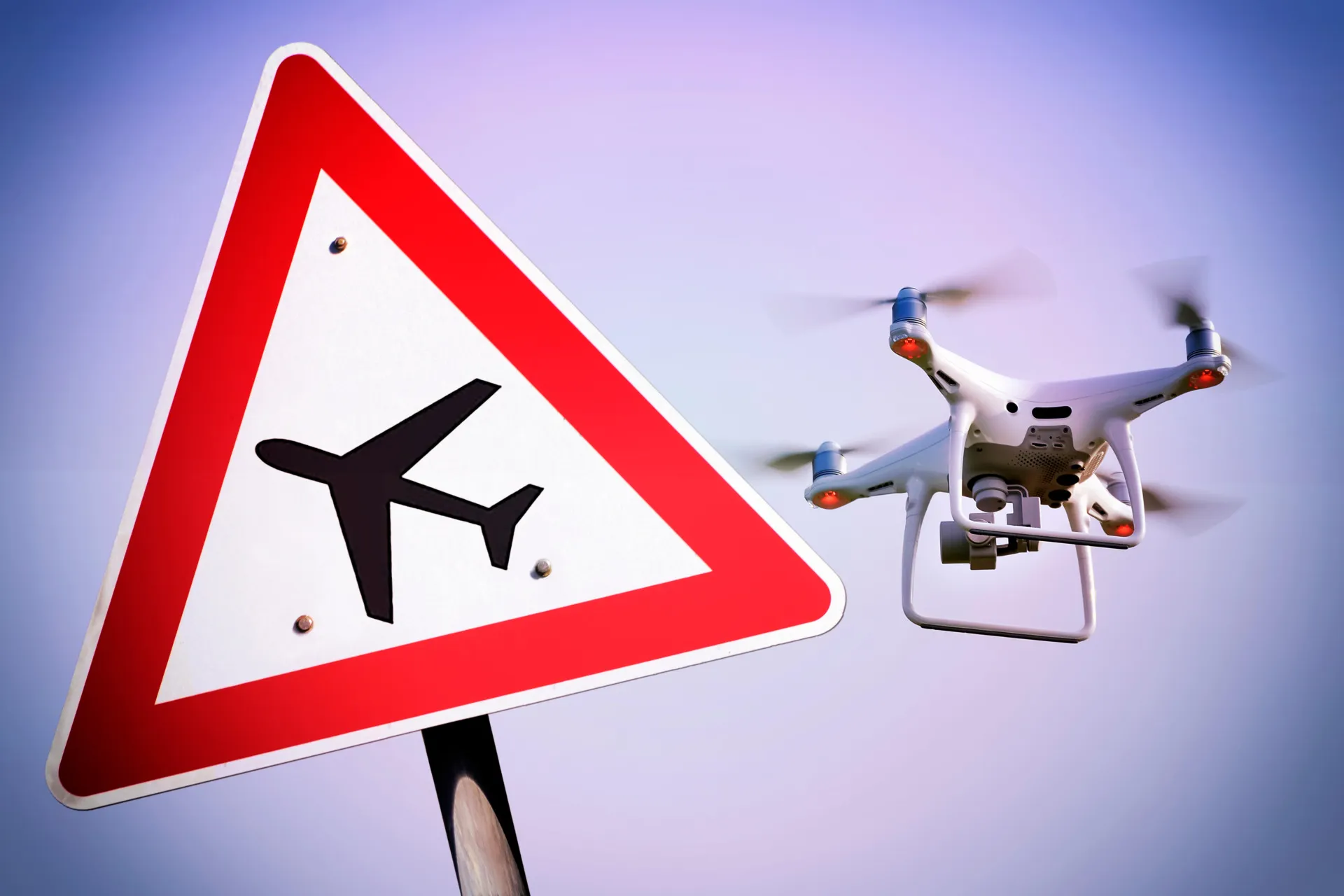
This incident also illustrates a procedural reality: when drones are detected near active flight zones, precautionary pauses are necessary to ensure safe separation. Law enforcement agencies increasingly require tools that neutralize unauthorized drones without endangering bystanders or disrupting authorized aerial operations. The capability to maintain an authorized drone list, read unique drone identifiers, and prevent a drone operator from regaining control after mitigation supports mission continuity while preserving evidentiary integrity. As drones become integral to public safety missions, agencies need policies and tools that simultaneously manage authorized and rogue drone activity within the same airspace, a requirement that is already shaping procurement, training, and concept-of-operations decisions. RF-cyber takeover systems that provide real-time drone and pilot location, safe landings, and controlled outcomes can help emergency services maintain focus on the incident rather than the intrusion.
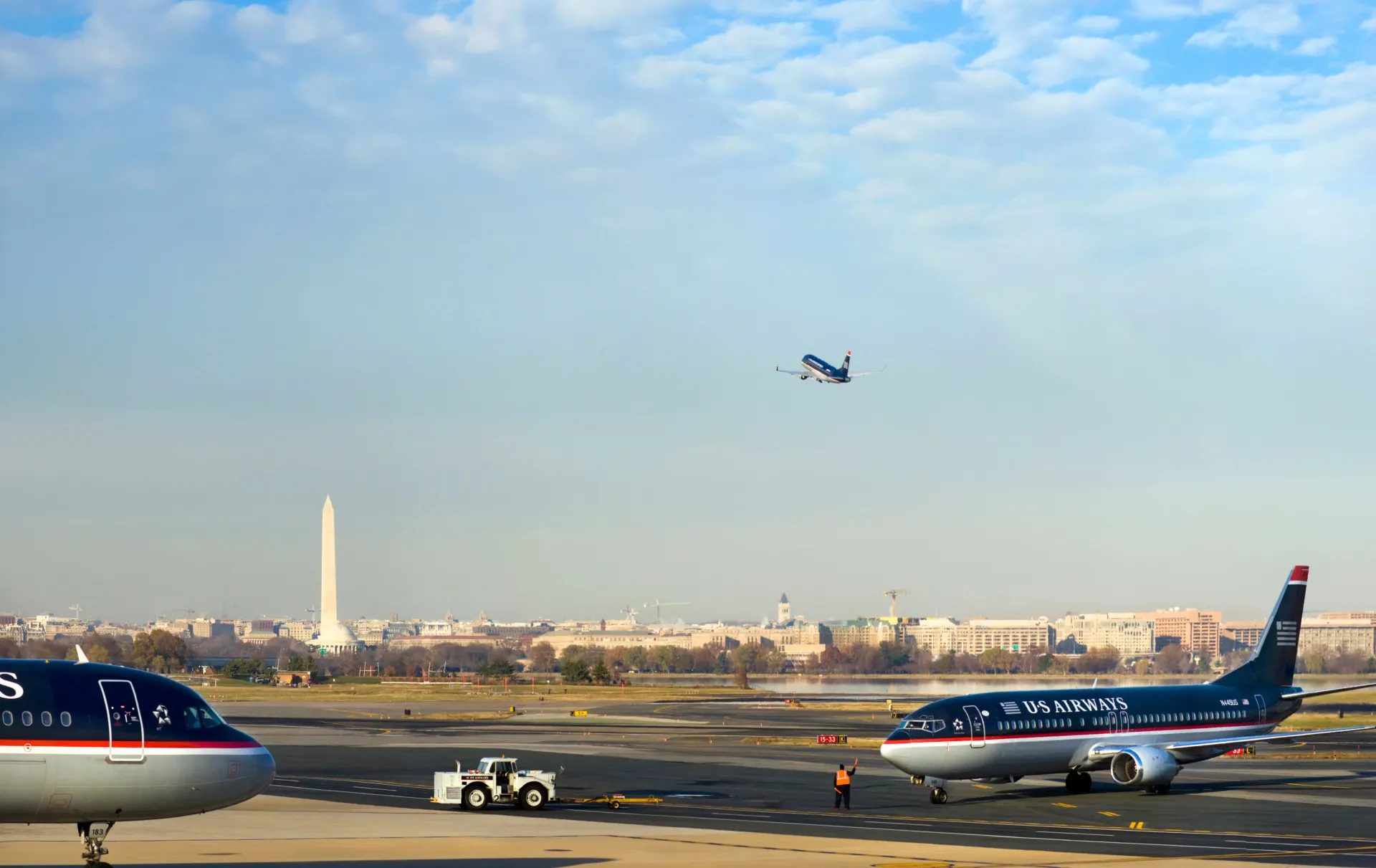
Commercial aviation depends on tightly orchestrated procedures. Approach paths, runway sequencing, and departure windows are calculated with precision. Even brief uncertainty in the airspace can trigger precautionary measures. On January 11, 2026, a small hobby drone sighting near Oslo’s main airport, Gardermoen, Norway led to the temporary closure of one of its two runways. Operations were paused for approximately 20 minutes before normal service resumed. Although this disruption was measured in minutes, its impact extended across airline schedules and passenger itineraries. For airport authorities, the challenge is balancing caution with continuity. Counter-drone systems in aviation environments must meet particularly stringent requirements. Rogue drone detection in airport environments must be precise to reduce false positives, particularly in cluttered airspace where conventional radar systems can misidentify objects. Effective counter-drone capability should also differentiate authorized drones so essential operations continue unhindered, while preventing unauthorized operators from regaining control and minimizing operational impact. A comprehensive approach combines real-time alerts with detailed drone and operator data to enable proactive response and targeted follow-up. To ensure operational continuity and regulatory compliance, airports require precise, safe, and future-ready solutions that offer a clear migration path from enhanced situational awareness through passive detection to seamless mitigation capabilities as regulations evolve. This makes drone incident data a critical input into risk assessments, investment roadmaps, and discussions on acceptable mitigation concepts of operation.
January 2026 demonstrates that rogue drone activity intersects with multiple operational domains, each with distinct requirements.
Military installations prioritize perimeter defense, operational secrecy, and the ability to recover devices for intelligence and evidence without revealing defensive positions. Stadiums and high-profile events demand layered detection in congested RF environments, along with non-disruptive mitigation that protects broadcast and information technology (IT) systems. Law enforcement and emergency services require rapid deployment, intuitive operation, and guaranteed protection of critical communications during time-sensitive missions. Airports depend on highly precise detection and proportionate mitigation that safeguards aviation continuity without interfering with authorized aircraft.
Across all sectors, the common denominator is controlled airspace management. EnforceAir platforms support these objectives through RF-cyber-driven detection, real-time tracking of drone and pilot locations, and prevention of the operator regaining control after mitigation, for safe, controlled outcomes. Built around the core concepts of control, safety, focus, and future-readiness, EnforceAir is designed to preserve operational continuity while addressing current and emerging drone threats. Taken together, January’s incidents reinforce a central lesson: effective counter-UAS programs are not just about stopping individual drones, but about preserving continuity of operations across very different mission profiles.
Through continued analysis and the deployment of purpose-built, non-disruptive counter-drone technologies, security leaders can preserve mission continuity while adapting to the evolving realities of unmanned systems.
Rogue drone activity refers to drones operating without authorization in restricted or sensitive airspace such as airports, military facilities, or public events.
The growing availability and affordability of commercial drones has made it easier for both hobbyists and malicious actors to operate drones in restricted areas.
Common locations include airports, military installations, stadiums, government facilities, and emergency response zones.
Tracking rogue drone activity helps security teams understand risks, improve response strategies, and protect critical infrastructure.

 Subscribe to email updates
Most Popular
Military forces, airports, borders, and prisons all ...
On July 21, 2022, a drone incident at Ronald Reagan ...
Drone Proliferation: The Good, the Bad, and the ...
Our Bloggers
Tags