Unauthorized drones can create immediate safety, security, and operational challenges. One drone near an airport can disrupt flight operations; at a critical-infrastructure site, it can expose sensitive activity or interrupt essential services.
That is exactly why counter UAS systems exist.
Counter-UAS (also known as C-UAS, CUAS, or counter-drone technology) refers to systems and capabilities used to detect, track, identify, and, where legally authorized, mitigate unauthorized drones to protect people, assets, airspace, and critical operations.
As drones become more accessible, affordable, and capable, organizations must address risks ranging from unauthorized surveillance and data collection, to contraband delivery, operational disruption, and threats to people or infrastructure. Counter-UAS systems help security teams understand what is operating in their airspace, assess whether it may be authorized or unauthorized, and make informed decisions before a drone incident escalates.
Counter-UAS provides the visibility, situational awareness, and response options organizations need to address unauthorized drone activity.
Why Counter-UAS Matters Today
Unauthorized drone activity can create challenges across airports, correctional facilities, critical infrastructure, public venues and stadiums, and other sensitive environments.
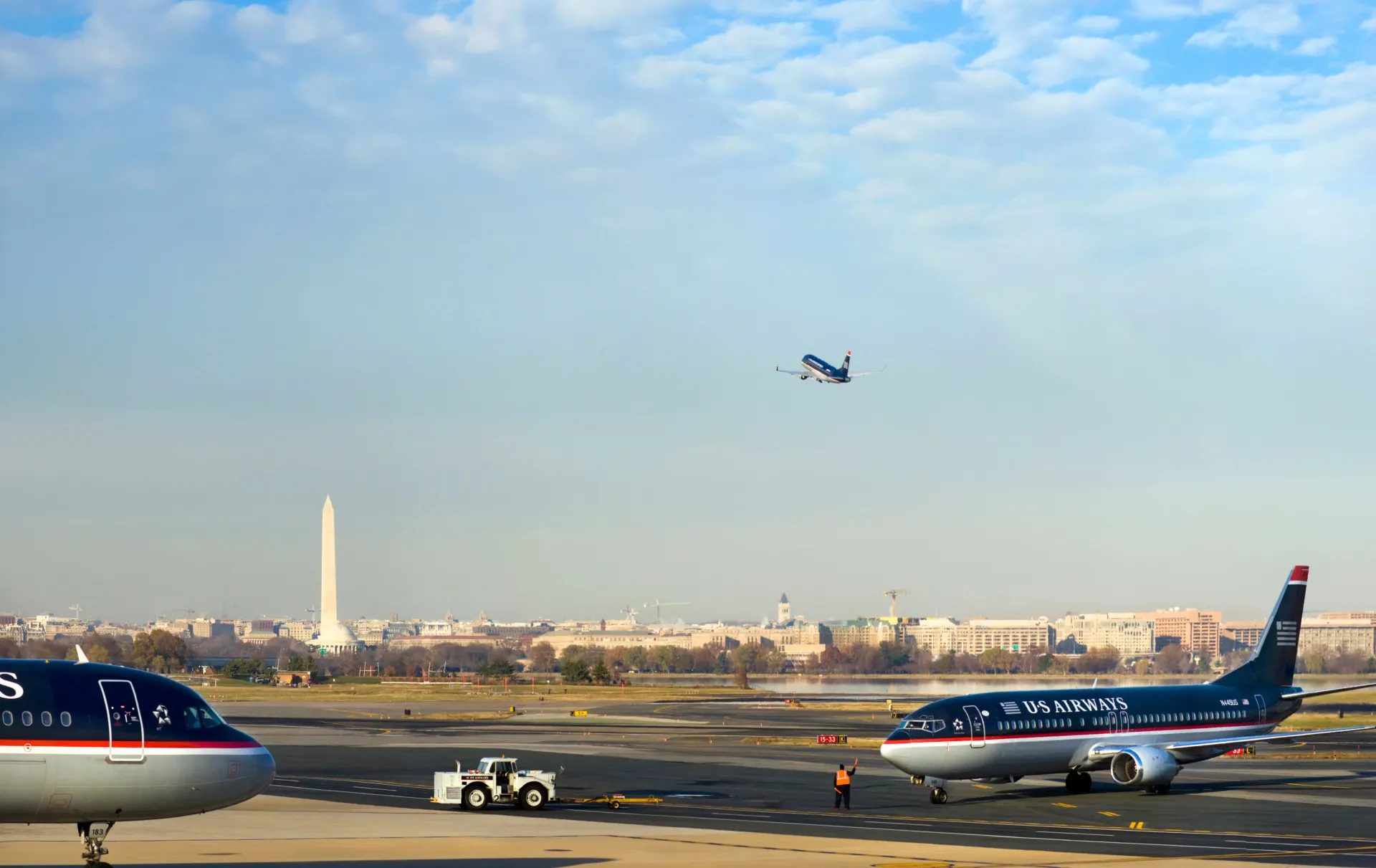
At airports, even a brief drone-related disruption can pause flight operations, trigger holding patterns and diversions, passenger delays, and downstream disruption across the wider ecosystem.
In correctional environments, drones can bypass physical perimeter barriers to deliver drugs, mobile phones, weapons, and other contraband. Similar challenges exist wherever organizations need to distinguish authorized drones from unauthorized activity, without disrupting essential operations.
These recurring risks highlight the role of Counter-UAS systems in providing four critical capabilities:
Real-time detection and awareness of drone activity
Tracking, identification, and classification of drones
The ability to determine whether a drone is authorized
Controlled response options for verified threats
Without these capabilities, organizations have limited visibility into their low-altitude airspace and difficulties assessing and responding to unauthorized drone activity.
How Do Counter-UAS Systems Work?
While technologies and operational workflows vary, most counter-UAS systems follow a structured operational workflow:
Detection
It starts with awareness. The first step is identifying the presence of a drone or potential drone activity within a defined area. This is especially important in complex and crowded environments where distinguishing drones from background activity requires high accuracy.
Once a drone is detected, the focus shifts to understanding its location, movement, characteristics, and authorization status. The system may track the drone’s movement and analyze relevant information to determine whether it is authorized, suspicious, or potentially hostile.
Friend or Foe?
Detection alone is not enough. Security teams must be able to identify a drone and determine whether it is authorized to operate in the area or requires further assessment.
By distinguishing authorized drones from unauthorized or suspicious activity, counter-UAS systems help prevent unnecessary alerts and responses, support operational continuity for legitimate drone use, and enable security teams to make informed, proportionate decisions.
Mitigation
If a drone is confirmed as a threat and mitigation is legally authorized, mitigation measures may be applied to address the situation. In sensitive environments, a controlled response that minimizes disruption to safety, surrounding systems, and operations is preferred.
While all counter-UAS systems follow this general process, the technologies used at each stage can vary significantly depending on operational requirements, legal authority, and environmental constraints. Not every counter-UAS system includes mitigation capabilities.
RF Cyber-Based Counter-UAS
D-Fend Solutions is a leading provider of non-disruptive, non-kinetic, RF cyber-based counter-UAS technology, designed for sensitive and complex environments where precision and control are critical.
Its core platform, EnforceAir, provides RF cyber detection, location and tracking, identification, and takeover mitigation for supported rogue drone threats. Where operationally and legally authorized, EnforceAir can take control of a drone and direct it along a safe route to a predefined landing location.
EnforceAir can operate as a standalone, multilayer, or integrated system, helping organizations address drone threats, while supporting operational continuity.
This approach is especially valuable in scenarios where traditional counter-drone methods may be unsuitable, such as airports, urban environments, and other sensitive sites.
What Are Counter-UAS Systems Used For?
Counter-UAS systems are used in environments where unauthorized drones can create safety, security, public safety, or operational risks. These risks can include attacks, unauthorized surveillance and intelligence gathering, contraband or hazardous-payload delivery, interference with emergency response, threats to people or critical infrastructure, and disruption of aviation or business operations.
Key use cases include airports and aviation environments; critical infrastructure; defense and military operations; law enforcement and public safety missions; border security and correctional environments; major events; and enterprise or commercial sites. The main question organizations ask themselves is “how and when will drones impact our operations?”, not “if.” Counter-UAS systems help organizations understand what is operating in their airspace, assess the potential risk, and make informed decisions about how to respond.
As the airspace becomes more crowded and interconnected, maintaining control will only become more critical.
FAQ
What is C-UAS?
Counter-Unmanned Aircraft System (C-UAS) refers to technologies and systems used to detect, track, identify, and, where legally authorized, mitigate unauthorized drones.
Why is counter-UAS important?
Counter-UAS is important because it helps organizations detect and assess unauthorized drone activity before it creates safety, security, or operational consequences. Drones can be used for surveillance, contraband delivery, intelligence gathering, attacks on people or infrastructure, or disruption of aviation and business operations.
How do counter-UAS systems work?
They typically follow a process that includes detection, tracking, identification, and mitigation, allowing organizations to monitor and respond to rogue drone activity.
Subscribe to email updates
Sign up here to receive the latest news, upcoming events, webinars and industry best practice resources



 Subscribe to email updates