The Counter-Drone Drill
D-FEND SOLUTIONS BLOG
Uncrewed aerial vehicles (UAVs) are reshaping the modern economy. From infrastructure inspection and agriculture to logistics and emergency response, drones are transforming efficiency and reach across multiple sectors.
For example, emergency teams now use drones to survey disaster zones and deliver critical medical supplies faster than ground transport.
As this transformation accelerates, so does the need for drone enforcement: the combined legal and operational framework that keeps airspace safe, controlled, and trusted.
With UAV activity multiplying, opportunity and complexity rise together. Every additional flight introduces potential conflicts with restricted zones, commercial routes, and public-safety missions. Reports show recurring disruptions around airports, critical sites, and public events, often caused by pilots unaware of regulations or by deliberately hostile activity.
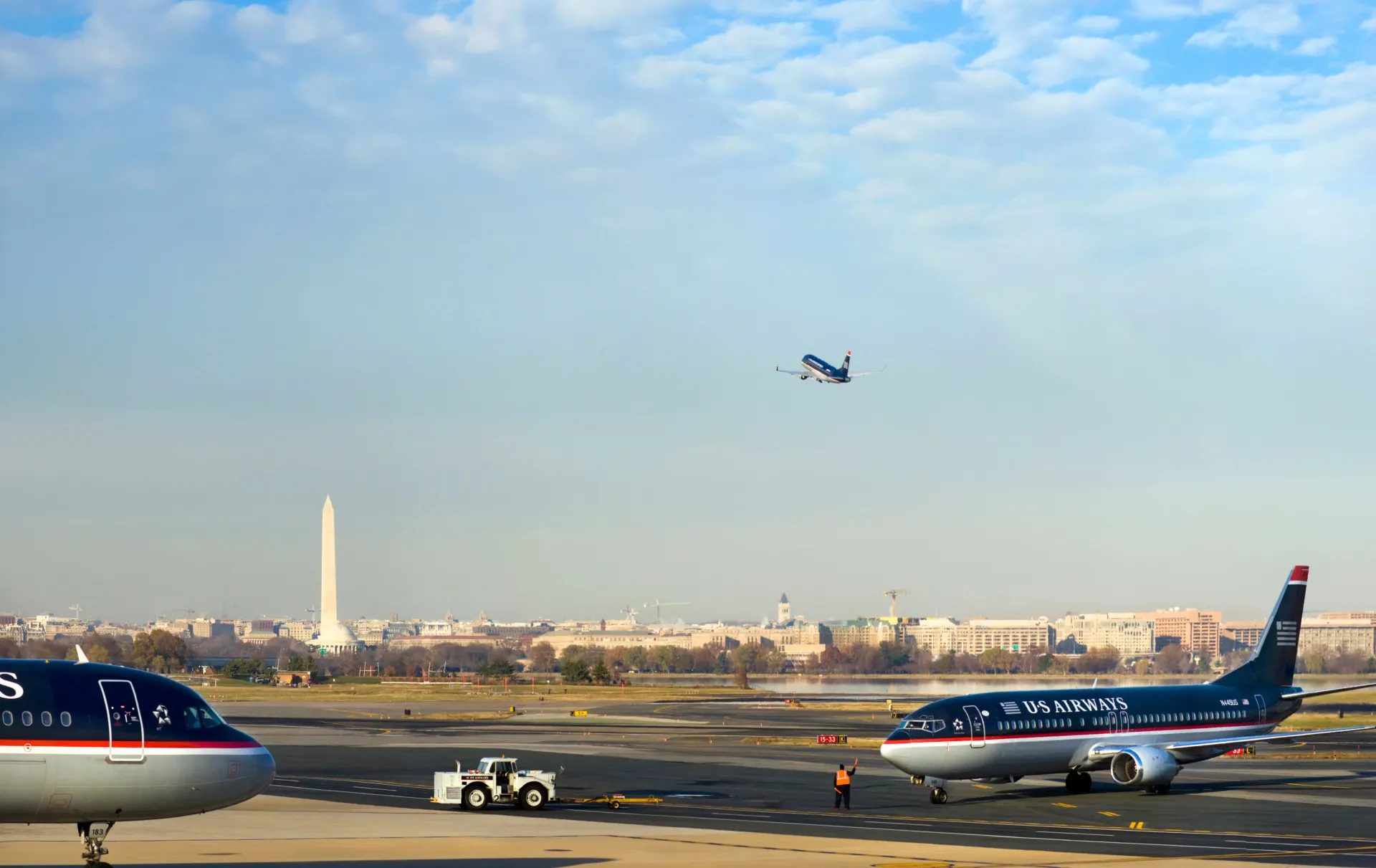
Recent incidents highlight the scale of the challenge. On November 6 in Sweden, unauthorized drone activity near Gothenburg Landvetter Airport forced a 3.5-hour closure, leading to 10 cancelled departures and 5 cancelled arrivals, 19 delayed flights, and multiple international flights diverted back to Copenhagen. Similar disruptions have been reported worldwide, often caused by unintentional rule violations or deliberate hostile activity.
Drone enforcement has therefore become a shared responsibility: aviation regulators define the rules, while advanced technologies are used to support them in real time to protect legitimate drone operations and public safety.
Historically, enforcement meant oversight and penalties after violations occurred. That model no longer matches the pace of UAV expansion.
Today, enforcement must operate in real time, identifying unauthorized drones before they endanger people, property, or legitimate aerial operations.
This is where advanced counter-UAS systems enter the picture. They complement regulatory measures by giving authorities, public-safety agencies, and critical-infrastructure operators the ability to detect and mitigate rogue activity as it happens in real-time.
C-UAS solutions bring real-time response to drones. Their purpose is not to replace enforcement, but to make it operationally possible.
Modern drone enforcement focuses on precision rather than restriction, allowing authorized UAV missions to continue safely while neutralizing only those that pose a threat.
This shift in emphasis from prohibition to enablement strengthens public confidence and lays the groundwork for smarter, more scalable airspace management.
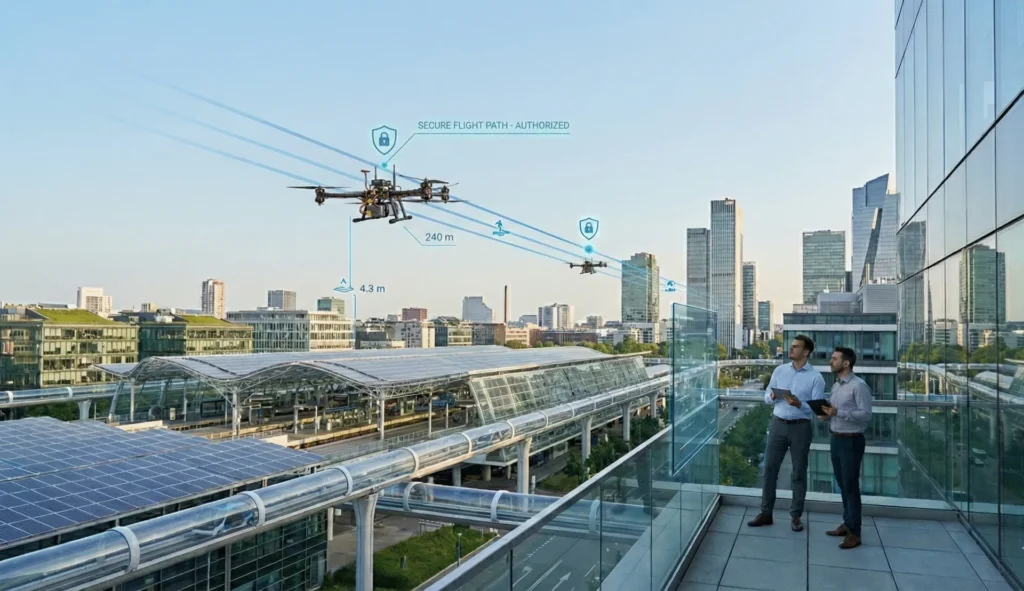
In the evolving landscape of drone enforcement, D-Fend Solutions’ EnforceAir plays a pivotal role in giving authorities and security teams the operational capability to act decisively and safely.
Built on non-jamming, non-kinetic, cyber-based technology, EnforceAir uses RF Cyber-Takeover to detect, track, and take control of unauthorized drones. Once identified, these drones are guided to a safe landing zone, preserving continuity for authorized UAVs operating nearby.
Because the system does not rely on jamming or kinetic measures, it avoids interference with communications, navigation, or neighboring equipment. It allows enforcement teams to act with precision, maintaining airspace integrity while collecting valuable operational insights.
The result is a controlled and reliable response that supports both security and continuity, making it possible to maintain trusted skies even in complex environments such as urban centers, airports, and national events.
As UAV operations become part of everyday business, drone enforcement must align with broader airspace management frameworks to maintain safety and scalability.
Effective enforcement depends on coordination between technology and regulation, where each authorized flight, control center, and monitoring system operates from the same shared picture of the sky.
C-UAS technologies can now complement UAV Traffic Management (UTM) and civil aviation systems, creating a unified, seamless operational environment. This integration supports real-time decision-making, shared situational awareness, and coordinated responses among aviation authorities, enforcement agencies, and private operators.
Interoperability is key. Enforcement tools must work alongside existing radar, Air Traffic Control (ATC), and UTM networks, feeding verified data into common platforms rather than operating in isolation. This cooperation enables faster threat assessment, safer mitigation, and minimal disruption to legitimate operations.
Industries that depend on aerial assets, such as construction, energy, transportation, mining, and agriculture, benefit from this unified approach. A single disruption can halt operations or compromise safety, but integrated enforcement identifies and resolves such incidents before escalation, keeping ongoing operations secure and uninterrupted.
By merging enforcement and management, the airspace evolves from fragmented control into a cooperative environment where legitimate UAV activity thrives.
The global drone revolution depends on public trust. Businesses, regulators, and citizens must have assurances that UAVs can operate safely above populated areas and critical infrastructure.
Effective drone enforcement allows authorities to maintain order in increasingly crowded skies while giving the drone industry the confidence to expand.
D-Fend Solutions’ EnforceAir demonstrates that advanced C-UAS technology is not a barrier to drone innovation but an enabler of it. By delivering precise, non-disruptive control, EnforceAir strengthens airspace security and supports the growth of lawful, legitimate commercial and governmental UAV operations worldwide.
As the drone ecosystem evolves, enforcement will remain the key to balancing freedom of flight with the responsibility of safety, fostering the synchronized partnership between regulation, technology, and trust.
Drone enforcement is the combined legal and operational framework, and its implementation, defined by authorities that keeps airspace safe, controlled, and trusted.
As UAV activity grows across different industries, the potential for airspace conflicts and unauthorized flights increases. Effective drone enforcement helps prevent disruptions, such as airport closures or safety incidents.
Counter-UAS systems give authorities and security teams the operational tools to detect, track, and control unauthorized drones. They make enforcement actionable in real time, bridging the gap between regulation and response without disrupting legitimate UAV operations.
EnforceAir is based on non-jamming, non-kinetic, cyber-based technology. It uses RF Cyber-Takeover to safely guide unauthorized drones to controlled landings, protecting communications and allowing authorized UAVs to continue their missions without interruption.

 Subscribe to email updates
Most Popular
Military forces, airports, borders, and prisons all ...
On July 21, 2022, a drone incident at Ronald Reagan ...
As drones increasingly become a significant threat ...
Our Bloggers

Tags