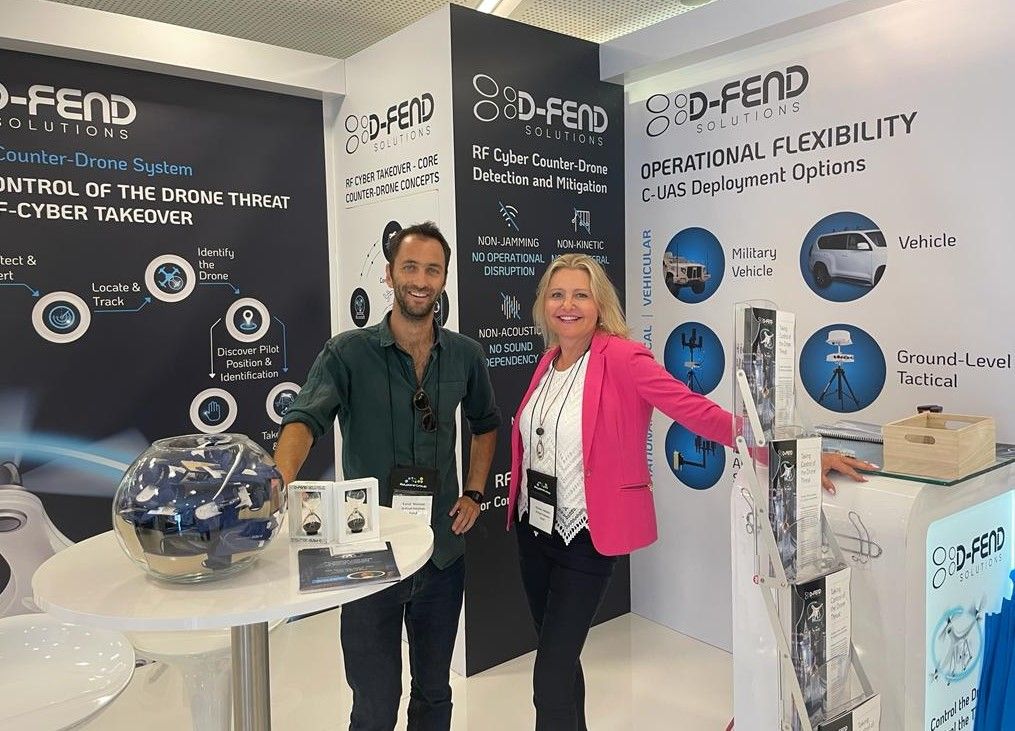
What is Counte-Drone Readiness?
Counter-drone readiness means having trained personnel, clear operating procedures, interagency coordination, appropriate authority, and C-UAS capabilities in place before an incident occurs. For SLTT agencies and correctional facilities, this preparation supports the timely assessment of unauthorized drone activity and a coordinated response.
The 2026 World Cup demonstrated how trained State, Local, Tribal, and Territorial (SLTT) law enforcement can help secure complex, high-profile events when equipped with the right counter-drone technology, shared situational awareness, and clear operational procedures. As discussed in my previous post, The Unseen D-Fender, effective airspace security protects stadiums, fan zones, transit corridors, and nearby airports without disrupting the event or the critical communications that support it.
But the need for safe, coordinated counter-drone readiness does not end when the final whistle blows. SLTT agencies and correctional facilities face ongoing drone threats around public venues, critical infrastructure, transportation hubs, and prison perimeters. The challenge is to move from temporary, event-specific protection to a persistent and scalable operational capability that enables teams to identify unauthorized drone activity, coordinate a response, and safely mitigate threats when authorized to do so.
From Detection to Response
For SLTT agencies and correctional facilities, detecting an unauthorized drone is only the beginning. Personnel must determine whether the aircraft is authorized, assess its potential threat, identify the appropriate response, and coordinate quickly with command staff and partner agencies. During a time-sensitive incident, that requires clear responsibilities, defined communications channels, and trained personnel who understand the applicable authorities and rules of engagement.
The goal is to give operators the information they need to act with confidence, without overloading field teams or creating unnecessary disruption. A coordinated response helps agencies distinguish routine drone activity from a credible threat and determine appropriate action to protect people, facilities, and critical operations.
Once agencies have established how they will detect, assess, and respond to unauthorized drone activity, they can begin planning the funding, procurement, training, and deployment needed to sustain that capability.
Next Steps: Expanding from Stadiums to SLTT Implementation and Prison Security
With the authority established by the SAFER SKIES Act, SLTT law enforcement and correctional agencies must transition from reactive posturing to proactive, persistent counter-drone readiness. Much like a packed stadium, correctional facilities require persistent perimeter defense that neutralizes threats without jamming nearby community cellular networks or dropping dangerous kinetic debris. Key strategic steps for procurement and operational integration include:
- Targeted Procurement & Funding: Prepare now for upcoming federal and state grant opportunities, including anticipated FEMA resources designed for SLTT and prison counter-drone equipment acquisitions. Leverage federal resource streams, such as Homeland Security Grant Programs (HSGP), Urban Area Security Initiative (UASI) grants, and Justice Assistance Grants (JAG), to acquire versatile C-UAS deployment kits that easily transition between stationary mounts, mobile vehicles, and tactical man-portable setups.
- Correctional Facility Perimeter Defense: Deploy persistent EnforceAir2 installations around state and county prisons to eradicate drone-based contraband drops. The non-jamming, RF-cyber takeover approach neutralizes payload-carrying drones mid-flight and lands them in designated landing zones without interfering with internal prison land-mobile radios, cell-blocking technology, or facility security infrastructure.
- Interagency SOPs & Regulatory Alignment: Formulate standardized operating procedures (SOPs) and cross-agency protocols aligned with Federal Aviation Administration (FAA), Department of Homeland Security (DHS), and Department of Justice (DOJ) guidelines, establishing clear rules of engagement for drone takeover during high-risk incidents.
- Persistent Safety & Special Event Integration: Embed fixed C-UAS sensors onto high-value municipal infrastructure (e.g., light poles, water towers, public venues) while maintaining rapid-response mobile units for pop-up public gatherings, parade routes, VIP escorts, and stadium security, establishing a permanent, scalable blueprint for urban airspace protection.
Building a Persistent Security Posture
A counter-drone capability is most effective when it is established before an incident, not assembled in response to one. Agencies should identify high-risk facilities and public areas, develop cross-agency SOPs, train personnel, and determine how fixed and mobile systems will support both day-to-day protection and rapid deployment.
For correctional facilities, this means developing a coordinated approach to prevent drone-based contraband drops while protecting facility communications and surrounding communities. For municipalities, it means combining persistent coverage of critical infrastructure with mobile counter-drone capabilities for parades, public gatherings, VIP movements, and other temporary security operations. Together, these capabilities provide a scalable security posture for routine operations and high-consequence incidents.
SLTT and prisons should now begin preparing to evaluate counter-drone systems, submit grant applications, schedule training, and develop policies and operational SOPs to ensure effective air domain awareness and drone security in their communities. The key to successful operations is understanding what is flying in your community, identifying threats posed by unauthorized drone activity, and safely mitigating them by interdicting the pilot or taking control of the drone and guiding it to a safe landing, all without disrupting critical communications, interfering with sensitive equipment, or disturbing the event experience.
From Major-Event Security to Everyday Counter-Drone Readiness
The lessons from major events apply directly to everyday SLTT and correctional security. Agencies that prepare now by establishing clear procedures, training personnel, coordinating with partners, and deploying safe mitigation capabilities will be better positioned to address unauthorized drone activity before it disrupts operations or places people at risk.
The objective is straightforward: understand what is flying in the airspace, identify the threat, and safely resolve the incident while protecting critical communications, infrastructure, and the communities below.
FAQ
What is counter-drone readiness?
Counter-drone readiness is an organization’s ability to identify, assess, and respond to unauthorized drone activity. It requires trained personnel, clear procedures, appropriate technology, interagency coordination, and the authority to take action when needed.
What should an SLTT counter-drone readiness plan include?
An SLTT counter-drone readiness plan should define protected locations, personnel responsibilities, communications procedures, partner-agency roles, applicable authorities, training requirements, and criteria for fixed or mobile deployments. It should also address procurement, funding, privacy, reporting, and post-incident review.
Why is counter-drone readiness important for correctional facilities?
Unauthorized drones can be used to deliver contraband across prison perimeters. Counter-drone readiness gives correctional personnel greater awareness of drone activity and supports a coordinated response. Mitigation capabilities allow correctional facilities to take control of unauthorized drones and guide them to a designated safe landing zone.
What does the SAFER SKIES Act mean for SLTT agencies?
The SAFER SKIES Act establishes a framework through which qualifying SLTT law enforcement and correctional agencies may receive authority to conduct certain C-UAS activities.
What funding is available for SLTT counter-drone readiness?
Agencies can review federal and state opportunities, including FEMA’s Counter-Unmanned Aircraft Systems Grant Program. Eligibility and allowable uses should also be reviewed before including HSGP, UASI, or JAG resources in a counter-drone procurement plan.


 Subscribe to email updates